When hospitals are invited to participate in a
Step Up Together Action Collaborative, the first question is often practical:
what’s in it for us?
Hospitals are managing workforce shortages, high acuity, financial pressure, and competing quality priorities. Community birth transfer improvement may seem like one more thing to add to the list.
But this work is directly tied to safety, quality, patient experience, and system readiness, with relevance that extends far beyond the small number of transfers from planned home and birth center births.
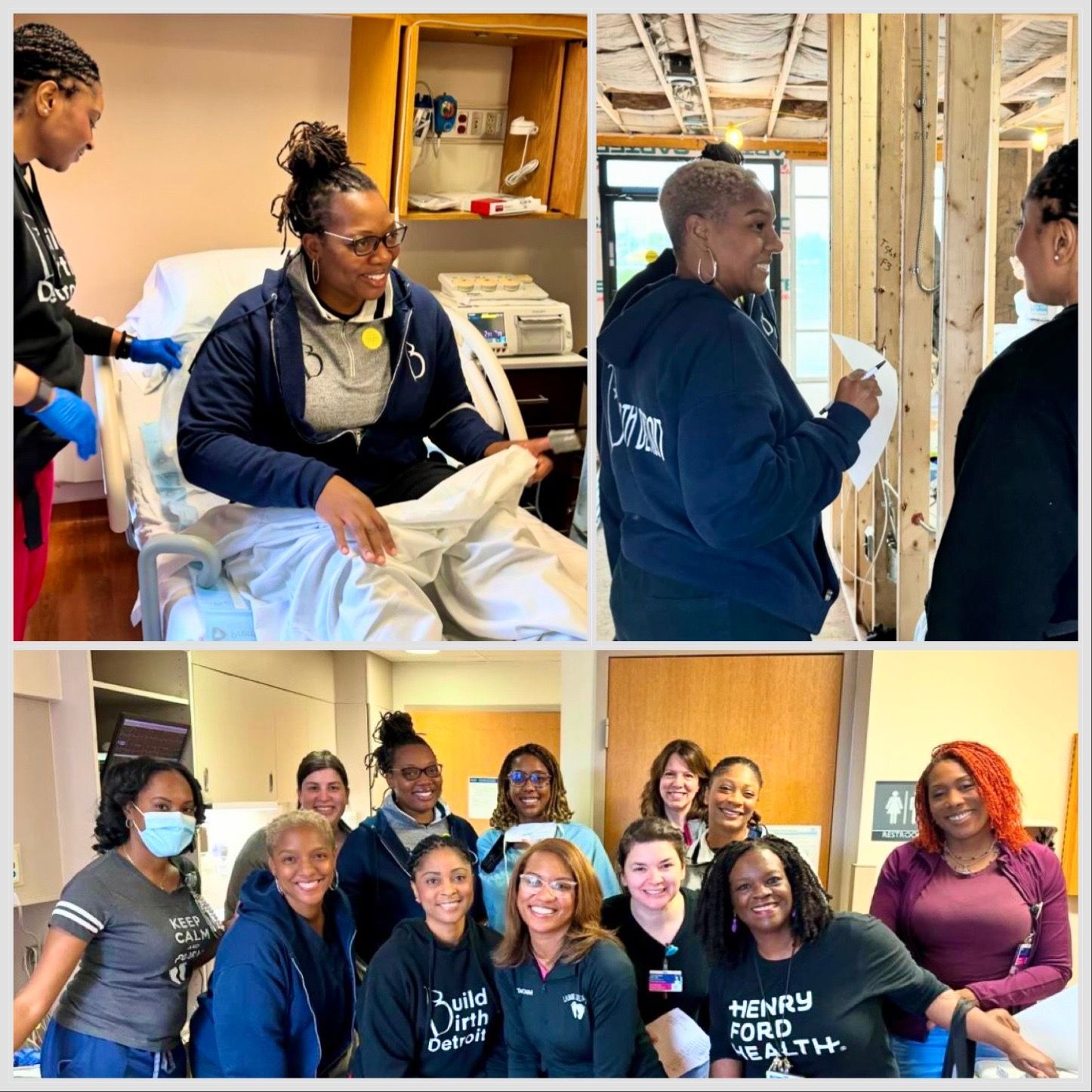
Community birth transfers happen whether or not formal relationships are in place. Most are non-urgent, but some require rapid coordination across community midwives, EMS, hospital nurses, obstetric clinicians, pediatric or neonatal teams, and registration or access staff.
When these transfers are well planned, patients experience a smoother transition and clinicians can focus on care. When the process is unclear, small gaps can compound quickly: missing records, uncertainty about where the patient should enter, unclear handoff expectations, or delays reaching the right team.
A Full Transfer Drill gives hospitals a way to see the whole process, not just the moment the patient arrives.
Written protocols matter, but they do not always show how a transfer actually works under pressure.
In Step Up Together Full Transfer Drills, hospital, EMS, and community birth teams use a realistic scenario to test the transfer pathway from the community setting, through transport, and into the hospital. The goal is to find the friction points in the system and work collaboratively to improve them.
In our national Action Collaborative, teams who ran drills identified practical improvement opportunities related to EMS engagement, transfer documentation, communication protocols, equipment readiness, admission workflows, and more. Many of these findings became concrete quality improvement projects after the drills.
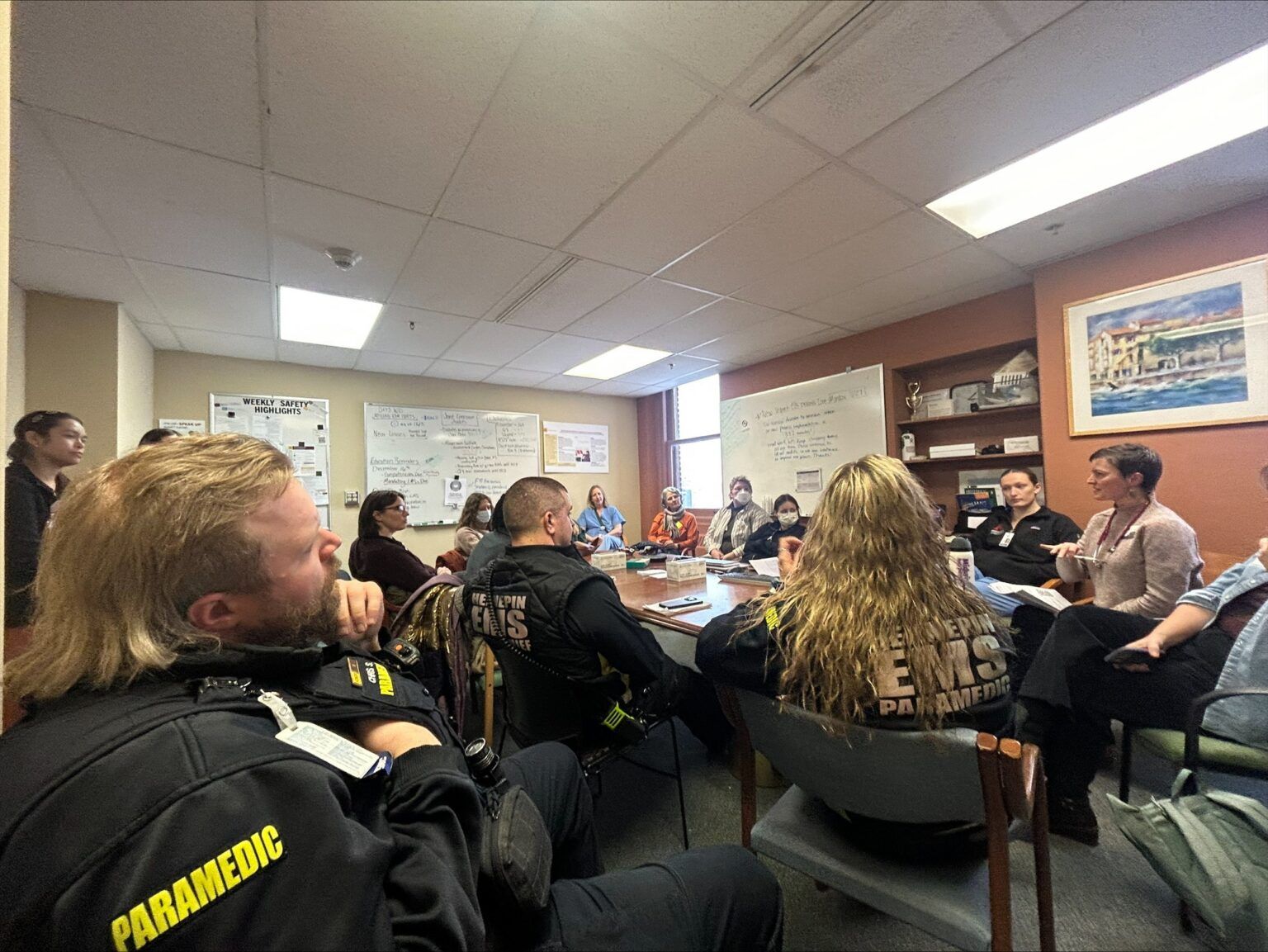
One of the surprises for many hospital participants is how often the lessons from a community birth transfer drill apply to other emergency situations.
The patient may be transferring from a home or birth center, but the systems being tested are often the same systems used for interfacility transfers, emergency admissions, and other urgent obstetric or neonatal situations.
We have seen drills uncover situations where:
- a simulated patient became “stuck” in the Emergency Department rather than being routed promptly to Labor & Delivery
- critical information was lost during EMS handoff
- electronic workflows delayed admission orders
- a surgical team assembled in the wrong operating room
These are not community-birth-specific problems. They are health-system problems that can affect any obstetric emergency.
Hospitals also report that drills help teams better care for patients who arrive with strong birth preferences, prior negative healthcare experiences, or histories of trauma. While these characteristics are common among people choosing community birth, they are also common throughout the broader birthing population. Practicing respectful communication, shared decision-making, and coordinated transitions of care benefits all patients.
For many hospitals, the value of a Full Transfer Drill ultimately extends beyond improving community birth transfers. It becomes an opportunity to stress-test emergency response systems, strengthen interdisciplinary teamwork, and identify operational challenges that affect maternal and newborn safety across the entire continuum of care.
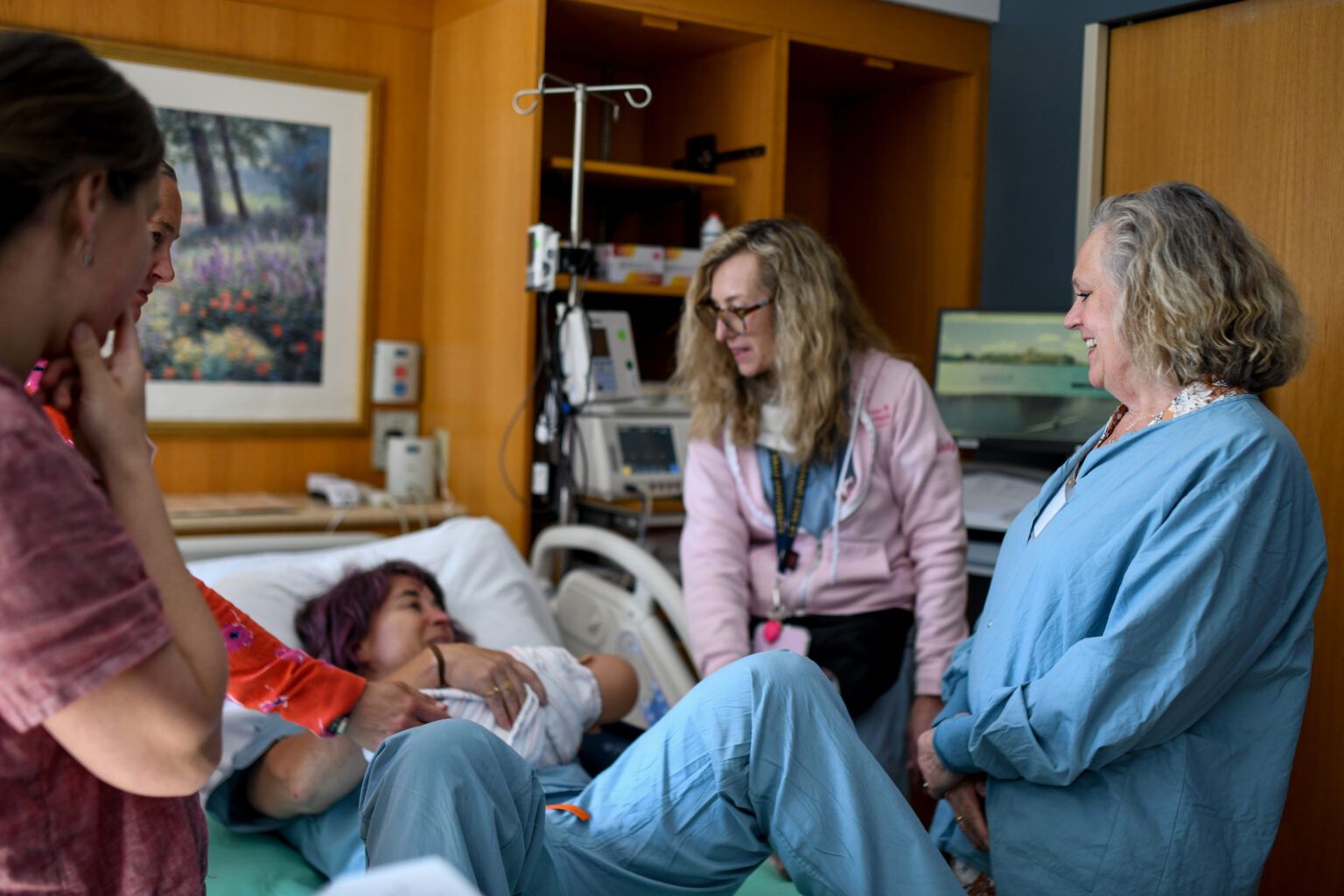
Hospitals are not being asked to do something fringe or outside the mainstream. National and state maternal health leaders are increasingly recognizing community birth integration as a component of maternal safety infrastructure.
Together, these resources reflect a growing consensus that collaboration across levels and locations of care is essential to safe, patient-centered maternity care.
One of the most valuable outcomes of an Action Collaborative is simple: people meet each other before the emergency.
Hospital teams learn what happens before arrival. Community midwives learn more about hospital workflows and constraints. EMS partners clarify what they need during dispatch, transport, and handoff.
That shared understanding changes the tone of future transfers. It builds trust, reduces assumptions, and creates the foundation for faster, clearer communication when every minute matters.
As one NICU physician who participated in a Step Up Together drill said:
All hospitals oughta be doing that, seeking out their birth centers and participating in a program like this and doing drills because it benefits everybody.”
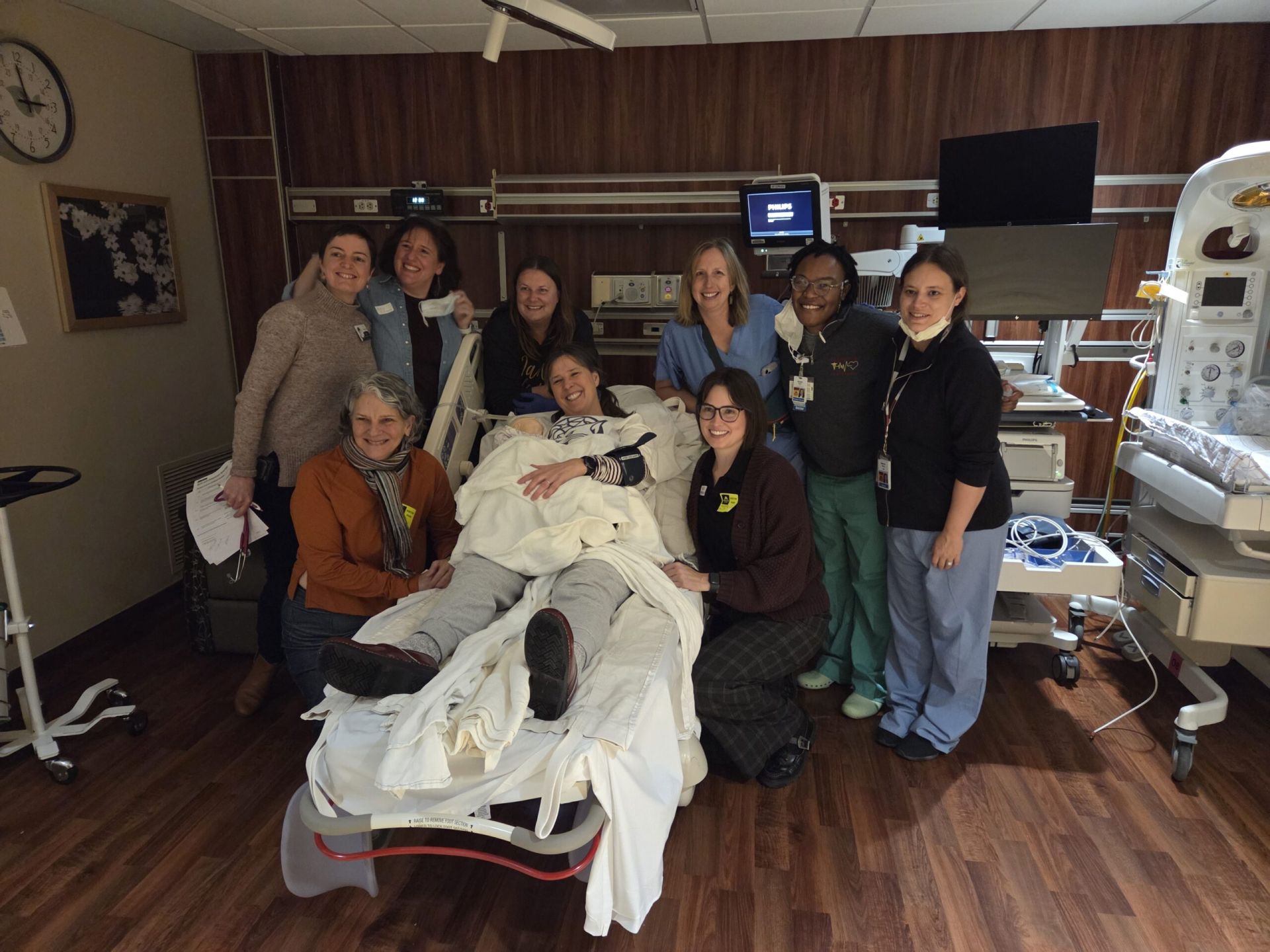
The Bottom Line for Hospitals
Participating in a Step Up Together Action Collaborative helps hospitals:
- Improve readiness for low-frequency, high-acuity transfers
- Strengthen communication with community-based providers and EMS
- Identify gaps in admission, handoff, documentation, and escalation pathways
- Support respectful, patient-centered care across settings
- Align with emerging national and state maternal safety priorities
Community birth transfers are already happening. The opportunity is to make them safer, smoother, and more reliable for everyone involved. That is what Step Up Together Action Collaboratives are designed to do.
Safer transfers don’t happen by accident. They are built through practice, partnership, and continuous improvement. Hospitals across the country are using Step Up Together Action Collaboratives to test transfer systems, strengthen interdisciplinary relationships, and identify quality improvement opportunities that extend far beyond community birth. Explore upcoming Action Collaboratives and learn how your hospital, health system, or state can get involved: https://stepuptogether.learnworlds.com/action-collaboratives