Tools, Coaching, and Community to Strengthen Perinatal Transfer Systems.

Step Up Together® Action Collaboratives are simulation-based quality improvement program that brings together community birth providers, hospitals, and EMS to test, strengthen, and sustain real-world transfer processes.

What You'll Do

This is Not a Passive Learning Experience

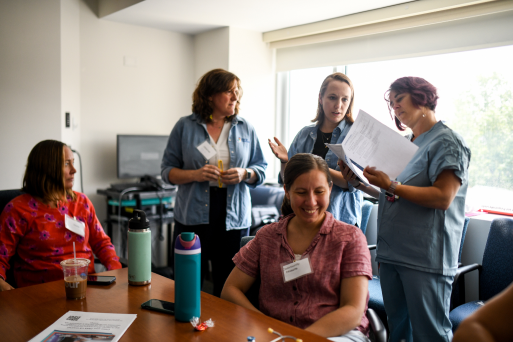
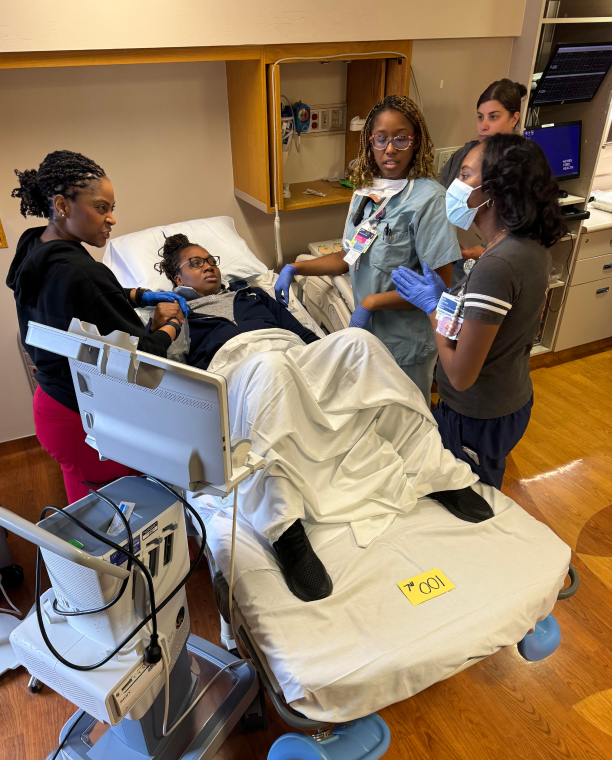
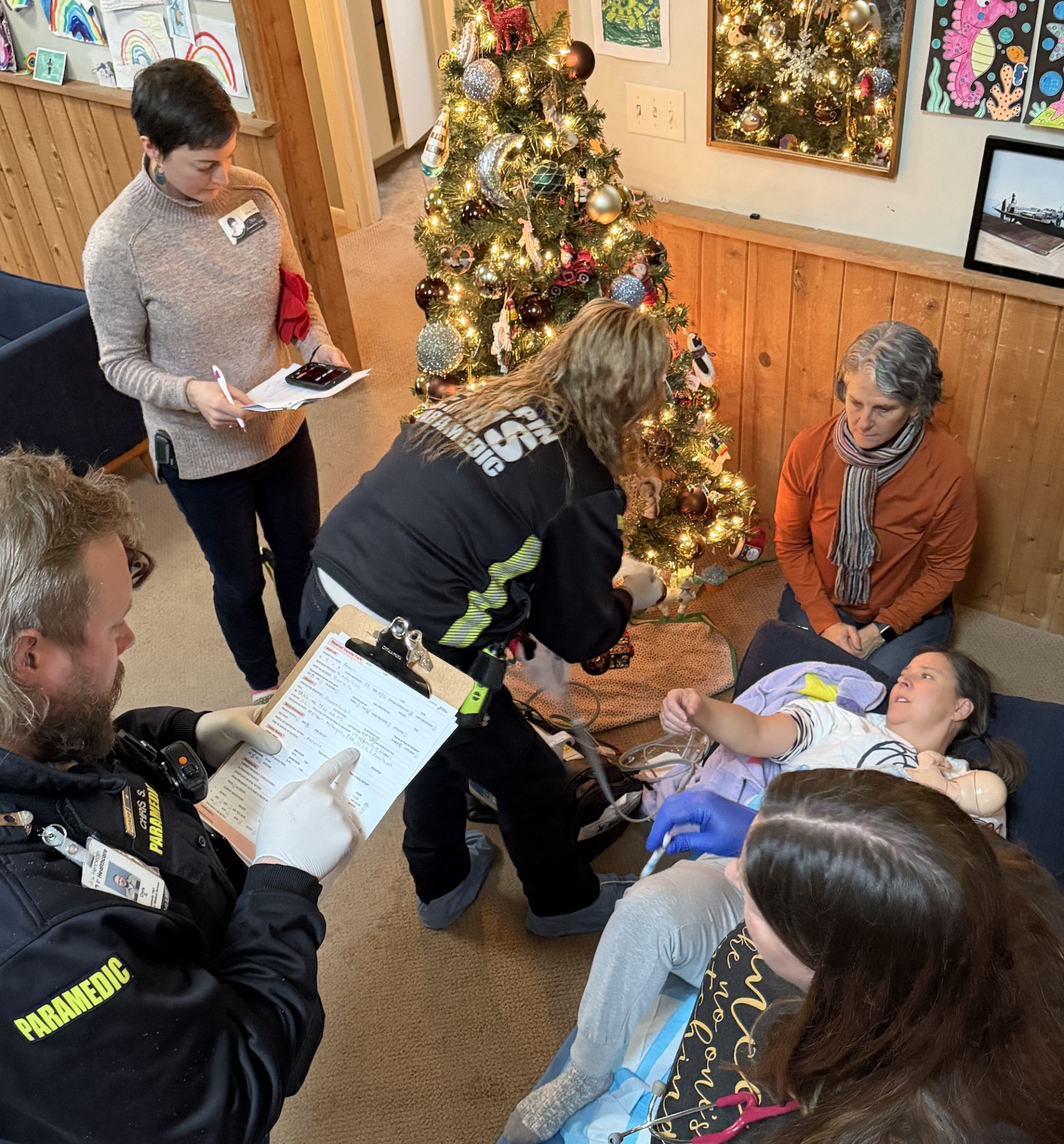
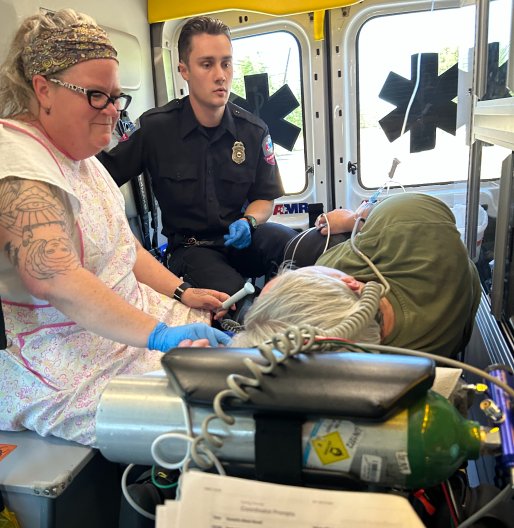
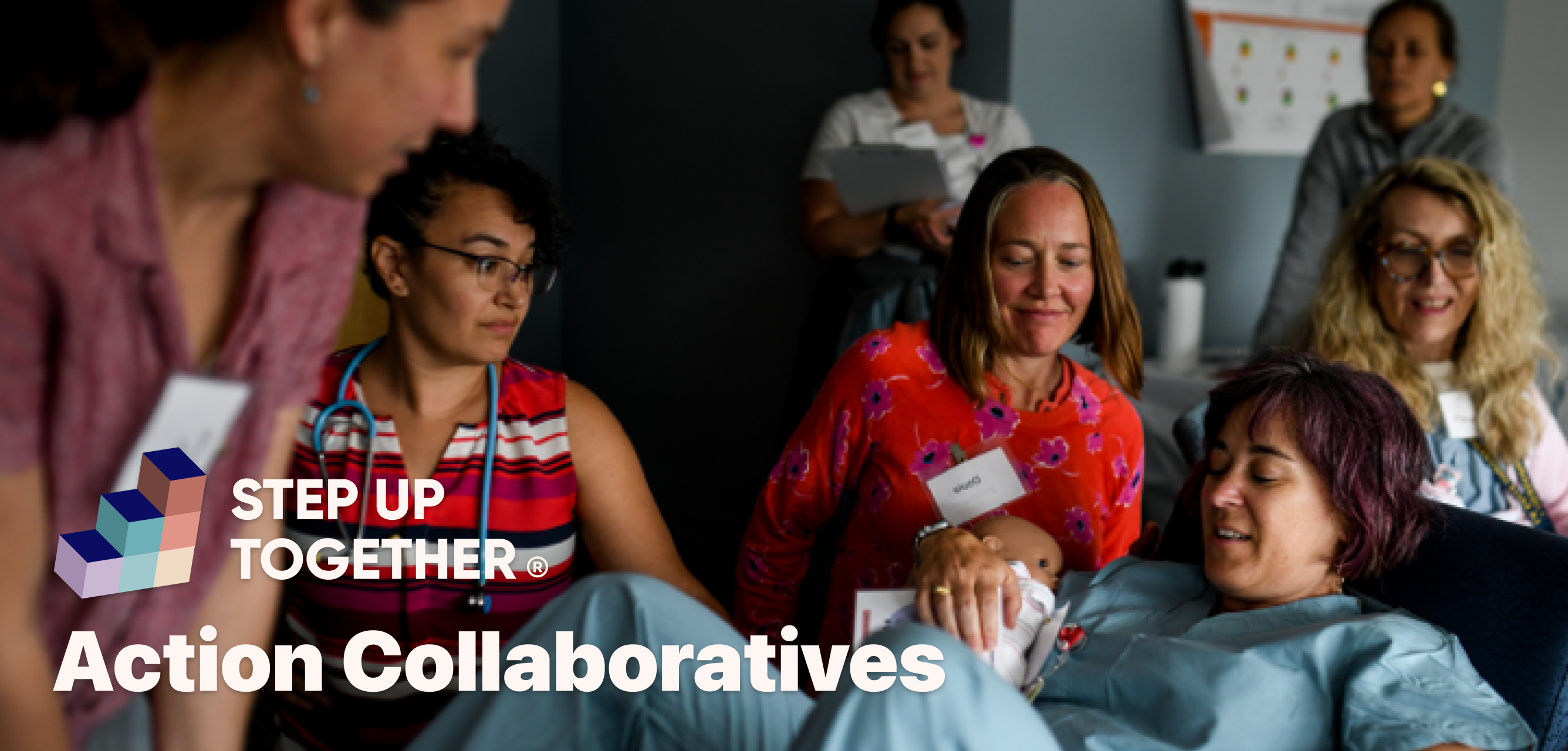
Teams actively plan, run, and debrief interdisciplinary drills that simulate real transfer scenarios—from community to hospital. By the end of the program, your team will be able to execute and sustain Full Transfer Drills and apply those insights to real patient care.

Conduct Partial and Full Transfer Drills using structured Drill Kits.

Engage in virtual and live coaching sessions with Step Up Together Faculty.

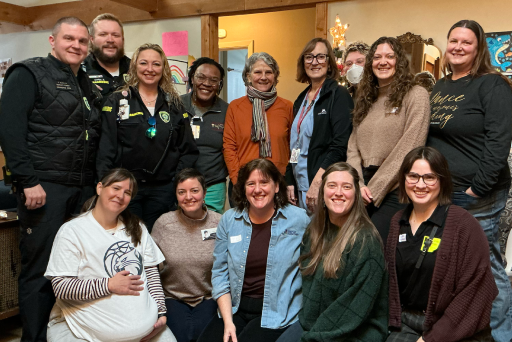
Learn from peers and build lasting relationships across teams involved in transfers.

Identify and implement
practice-level quality improvements.

What participants are saying

It wasn’t as scary to make that decision to call the NICU and to call EMS and get those things rolling…I feel like the drill really helped us to be better prepared.
Birth Center RN
All hospitals oughta be doing that, seeking out their birth centers and participating in a program like this and doing drills because it benefits everybody.
NICU Medical Director
Continued joint training opportunities like this are essential to maintaining safe, coordinated, and patient-centered care across our systems.
EMS Deputy Chief

Three Core Elements Working Together
to Support Sustained Change

Over the last several years we've learned that the combination of the following elements is what enables teams to move from intention → implementation → sustained change.

Tools

Standardized, ready-to-use Drill Kits with clinical scenarios, checklists, and debrief guides

Coaching

Expert-led sessions and optional individualized support to help teams plan and execute drills

Community

A national peer network sharing lessons learned across diverse settings

Proven Results

Our first national Action Collaboratives was evaluated and published in the Journal of Midwifery and Women’s Health.1

63.6%

of Teams Completed a Full Transfer Drill
None had done so previously.
Teams reported improvements in:
  • Confidence in emergency transfers
  • Interprofessional communication
  • Teamwork and coordination

1. Romano A, Dougherty A, Johnson J. Tools, Coaching, and Community to Support Interprofessional Emergency Transfer Drills: Results from a National Action Collaborative Focused on Birth Center to Hospital Transfer. J Midwifery Womens Health. 2025;70(6):952-959. doi:10.1111/jmwh.70005

Sparking Immediate Systems Change

Participating in an Action Collaborative sparked teams to implement immediate systems change including:
  • Improved EMS engagement
  • Updated transfer protocols
  • Better equipment organization and documentation
Write your awesome label here.

Join Our Next National Action Collaborative

Applications Open June 2026

We are seeking interdisciplinary teams that include:
  • Community birth providers (birth centers or home birth practices)
  • Hospital-based providers and leaders
  • EMS or transport partners
This program is designed for teams who are ready to:
  • Test and improve transfer processes
  • Strengthen relationships across settings
  • Lead quality improvement in their region
The program starts in September 2026 and runs through January 2027.  Two cohort tracks will be available:
  1. Birth Center Cohort
  2. Home Birth Cohort
Spots are limited and teams will be selected based on readiness and commitment to interdisciplinary participation.
For States and Health Systems

Host a Regional Action Collaborative

Looking to scale this work across a region?

We partner with states, health systems, and perinatal quality collaboratives to design and implement regional Action Collaboratives.

Hosting a regional collaborative allows you to:

  • Scale Full Transfer Drills across multiple sites
  • Standardize transfer processes and tools across your system or region
  • Build a regional community of practice
  • Strengthen integration across the care system

Regional collaboratives typically include:

  • Up to 8 interdisciplinary teams
  • Customization to local policy and systems
  • Alignment with state or system priorities
California was the first state to host a state-based Step Up Together Action Collaborative, which was highlighted in the CMQCC Community Birth Transfer Toolkit:

“California Community Birth Partnership Initiative pilot teams found the on-site simulation to be the most effective tool for preparing teams to handle community-to-hospital transfers smoothly and safely.”

- CMQCC Community Birth Transfer Toolkit (p. 22)

Ready to take the next step?

Fill out the form and let us know about your interest in being a part of our next Action Collaborative or want to discuss hosting a State or Regional collaborative.